
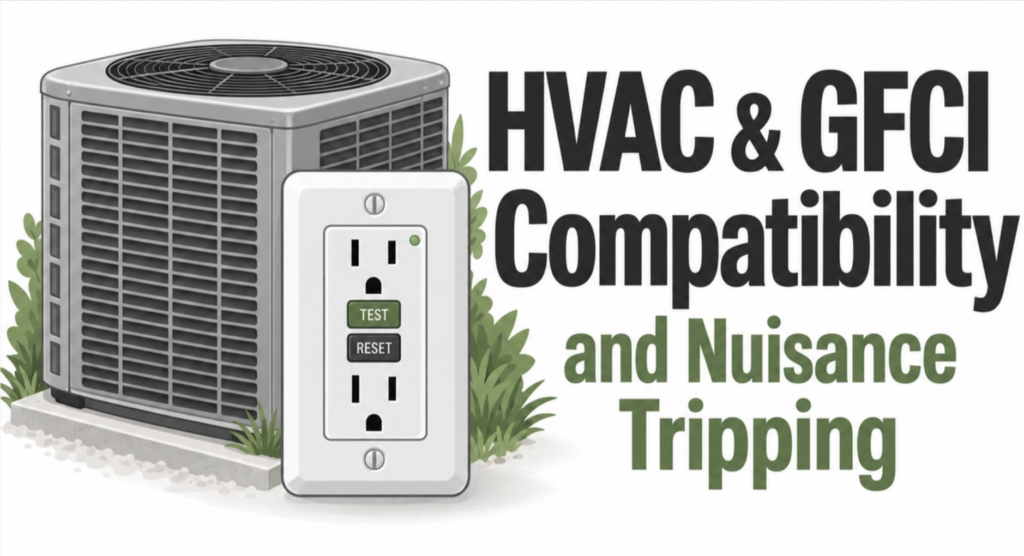
Why Is My Air Conditioner Tripping a GFCI Breaker?
If you recently installed a new air conditioner or heat pump and it keeps tripping a GFCI breaker, you may be wondering whether something is wrong with the equipment, the breaker, or your home’s electrical system.
The answer isn’t always simple.
Electrical and HVAC manufacturers have been studying an issue involving modern air-conditioning equipment and GFCI protection. In some cases, a properly operating HVAC system can cause a GFCI to trip even when there isn’t the type of electrical fault the GFCI is designed to protect against.
Here’s what homeowners should know.
First, What Is a GFCI?
GFCI stands for Ground-Fault Circuit Interrupter.
Most homeowners are familiar with GFCI outlets in bathrooms, kitchens, garages, and outdoor areas. They’re the receptacles with the TEST and RESET buttons.
A GFCI constantly monitors electricity flowing through a circuit. If it detects electricity going somewhere it shouldn’t—possibly through a person—it can shut the circuit off very quickly.
That makes GFCI protection an important electrical safety feature.
GFCI protection can also be built into a circuit breaker in your electrical panel, so there isn’t always a TEST and RESET button at the wall.
Why Would an Air Conditioner Need GFCI Protection?
The National Electrical Code (NEC) has expanded GFCI requirements over the years to provide additional protection against electrical shock.
One of those requirements is found in NEC Section 210.8(F) and deals with outdoor electrical outlets at homes.
Here’s where the terminology can get confusing.
In electrical-code language, an “outlet” doesn’t necessarily mean a receptacle where you plug something in. A permanently connected piece of equipment—such as your outdoor air-conditioning condenser—can also be supplied from an electrical outlet.
That means GFCI requirements can affect the circuit supplying your outdoor HVAC equipment.
The Problem With Some Modern HVAC Equipment
Today’s air conditioners and heat pumps are much more sophisticated than older systems.
Many newer units use:
- Variable-speed motors
- Inverter technology
- Electronic controls
- Power-conversion equipment
These features can improve comfort and energy efficiency, but they also change the electrical characteristics of the equipment.
Recent industry testing has found that some modern HVAC equipment produces small amounts of high-frequency electrical current that certain GFCI devices may interpret as a ground fault.
The GFCI trips—even though there may not be a dangerous ground fault present.
This is commonly called nuisance tripping.
It Doesn’t Necessarily Mean the Breaker or Air Conditioner Is Defective
One of the important findings from recent HVAC industry research is that there isn’t necessarily one defective product responsible for the problem.
Compatibility can depend on the particular combination of:
the HVAC equipment + the GFCI protecting it.
One air conditioner may operate normally with one GFCI design but experience repeated trips with another.
Researchers have also found that different GFCI designs can respond differently to the high-frequency electrical signals produced by modern HVAC equipment.
This is why simply replacing a breaker with another breaker may not always solve the problem.
Does That Mean You Should Remove the GFCI?
No.
A breaker that repeatedly trips should never simply be bypassed or replaced with different protection without determining why it is tripping.
A GFCI trip can still indicate a legitimate electrical problem, including:
- Damaged wiring
- Moisture intrusion
- Equipment failure
- Insulation problems
- An actual ground fault
The possibility of a compatibility issue doesn’t eliminate the possibility of a real electrical fault.
The circuit and equipment should be evaluated before assuming the trip is harmless.
The Electrical and HVAC Industries Are Working on the Problem
This issue has received considerable attention from electrical contractors, HVAC manufacturers, GFCI manufacturers, testing laboratories, and organizations responsible for electrical safety standards.
Testing by the Air-Conditioning, Heating, and Refrigeration Institute (AHRI) and the Electric Power Research Institute (EPRI) has helped identify why some combinations of HVAC equipment and GFCIs don’t work well together.
Manufacturers are now working on solutions, including:
- Changes to HVAC equipment
- Improved testing procedures
- GFCIs designed to better handle high-frequency electrical characteristics
- Updates to industry safety standards
The HVAC industry has also requested additional time from the National Fire Protection Association (NFPA) to allow manufacturers and testing organizations to complete this work.
The goal isn’t to eliminate GFCI protection. The goal is to make sure important electrical safety protection works reliably with modern HVAC equipment.
What Should You Do If Your AC Breaker Keeps Tripping?
If your outdoor air conditioner or heat pump repeatedly trips its breaker, don’t assume you simply have a “bad breaker.”
Also, don’t continue resetting it over and over.
A licensed electrician can check the circuit and determine whether there is an electrical problem that needs to be corrected.
Depending on the situation, troubleshooting may include checking:
- The breaker
- Circuit wiring
- Connections
- Equipment grounding
- The HVAC disconnect
- The air-conditioning equipment
- Manufacturer requirements
- The particular GFCI and HVAC equipment combination
Sometimes the electrician and HVAC contractor may need to work together to determine the cause.
The Bottom Line
Electrical codes continue to change as homes use more sophisticated electrical and electronic equipment.
GFCI protection remains an important safeguard against electrical shock. At the same time, manufacturers have learned that certain modern HVAC systems can interact with GFCI devices in ways that cause unwanted tripping.
That’s why diagnosing a tripping HVAC breaker requires more than simply replacing the breaker or assuming the air conditioner is defective.
If your air conditioner or heat pump is repeatedly tripping a breaker, have the electrical system evaluated by a qualified electrician.
Hual Electric can inspect the circuit, breaker, wiring, and connections to help determine whether you’re dealing with an electrical fault or a potential equipment compatibility issue.
Reference: https://www.mikeholt.com/newsletters.php?action=display&letterID=3041
Bathroom Moisture Problems: Is the Exhaust Fan Really the Issue?
Excess moisture in a bathroom can be frustrating. Steamy mirrors, wet walls, damp cabinets, mildew smells, or moisture around vents can make it seem like the bathroom exhaust fan is not strong enough.
Sometimes the fan is undersized or not working properly. But in many Florida homes, the problem is not just the fan’s CFM rating. Bathroom moisture is affected by shower habits, fan run time, air conditioning settings, closed doors, ducting, dampers, and the amount of humid outside air being pulled into the home.
Before replacing the fan, here are a few simple things to check.
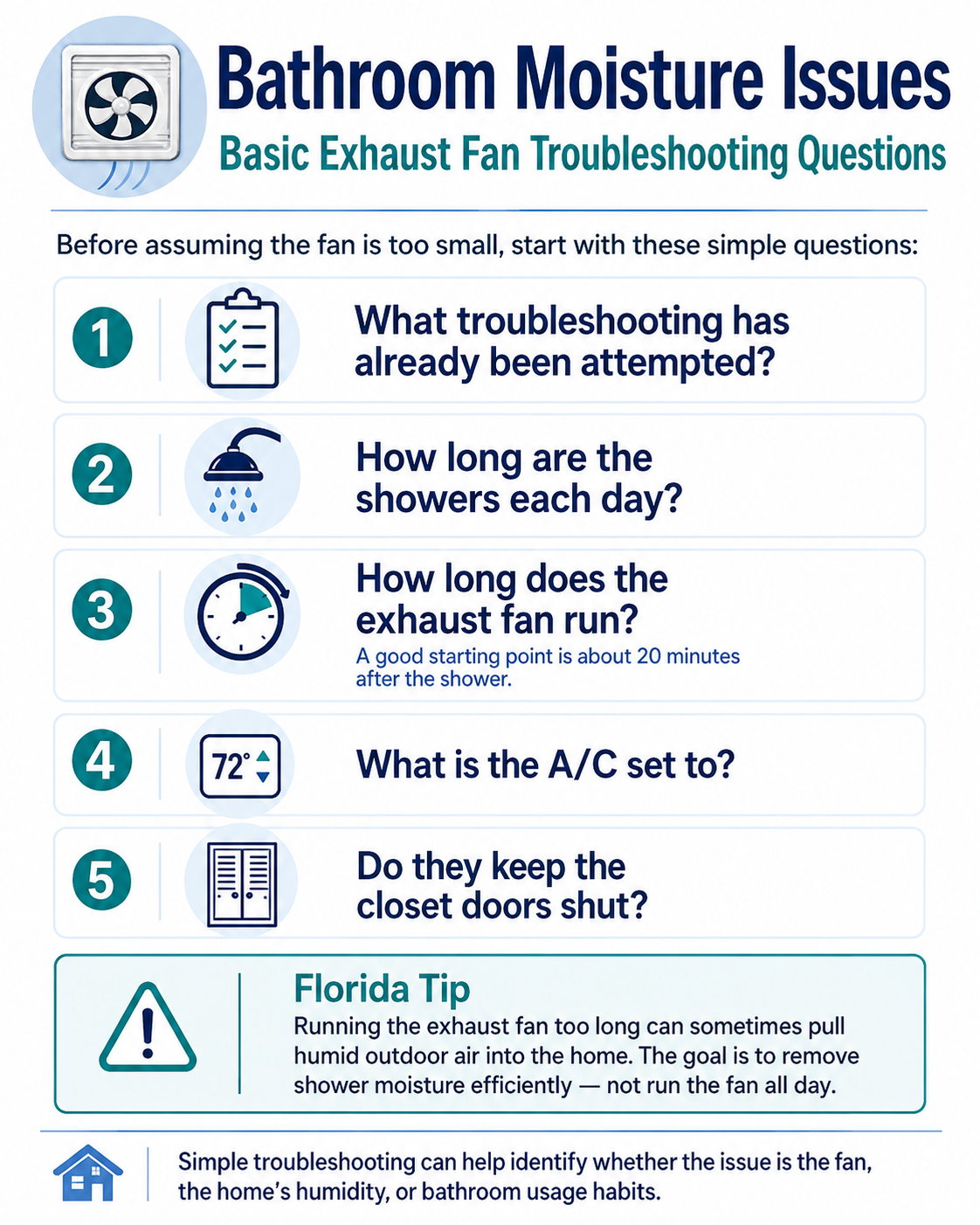
1. Run the Fan During the Shower and After the Shower
The exhaust fan should be turned on before or when the shower starts and should continue running after the shower ends.
A good starting point is: Run the bath fan during the shower and for about 20 minutes afterward.
Longer showers may need a little more time, but running the fan all day is usually not the answer, especially in Florida.
2. Look at Shower Length
A 5-minute shower and a 30-minute shower do not create the same moisture load.
If the bathroom is staying wet long after the shower, ask:
- How long is the shower running?
- Is the water very hot?
- Are multiple people showering back-to-back?
- Is the bathroom door closed the entire time?
- Are towels, rugs, or shower curtains staying damp?
Long, hot showers create more steam than any fan can remove instantly.
3. Do Not Leave the Fan Running All Day
It seems logical to think, “If the bathroom is humid, leave the fan on longer.”
In Florida, that can sometimes backfire.
Bathroom exhaust fans remove indoor air and push it outside. When air is pushed out, replacement air has to come from somewhere. That replacement air can be pulled through gaps around doors, windows, recessed lights, attic spaces, wall cavities, or other small openings.
This is called negative pressure.
In a humid climate, that replacement air can be hot, damp outdoor air. If that humid air hits cool air-conditioned surfaces, moisture can condense on mirrors, walls, ceilings, vents, or cabinets.
In simple terms: the fan may start trying to dry the bathroom, but if it runs too long, it can begin pulling Florida humidity into the home.
4. Check the A/C Setting
The air conditioner does more than cool the house. It also helps remove humidity.
If the thermostat is set too high, the A/C may not run long enough to dehumidify the home well. If the bathroom already starts out humid, the exhaust fan has a harder job.
Things to consider:
- What temperature is the A/C set to?
- Does the home feel humid in other rooms too?
- Is there condensation around A/C vents?
- Does the bathroom dry better when the A/C is running regularly?
If the whole home feels humid, the bath fan may not be the main problem.
5. Keep Air Moving After the Shower
A bathroom fan needs replacement air to work correctly. If the bathroom door is sealed tightly or stays closed, the fan may struggle to move air.
After showering, it usually helps to:
- Leave the bathroom door open when privacy is no longer needed.
- Leave the shower door or curtain open so the shower can dry.
- Avoid shutting damp towels, rugs, or laundry inside a small closed room.
- Keep nearby closet doors open if those areas are staying damp or musty.
Closed spaces dry slowly. Air movement matters.
6. Check the Fan Itself
Before assuming the fan is too small, make sure it is actually working.
Basic checks include:
- Does the fan turn on?
- Does it sound weak, loud, or different than normal?
- Does the fan grille look dusty or clogged?
- Does the fan pull a tissue up against the grille?
- Is air coming out at the exterior vent when the fan is running?
- Is the exterior flap or damper stuck closed?
- Is the damper stuck open when the fan is off?
A dirty grille, blocked duct, long duct run, crushed duct, stuck damper, or poor exterior termination can reduce airflow even if the fan itself is rated correctly.
7. Check the Exterior Damper
The exterior damper should open when the fan is running and close when the fan is off.
If the damper is stuck closed, the fan cannot exhaust properly.
If the damper is stuck open, outdoor humidity can drift back into the duct or bathroom when the fan is off.
This is a common item to inspect when a bathroom has ongoing moisture complaints.
8. Would a Bigger Fan Fix It?
Maybe — but not always.
A higher-CFM fan can remove bathroom steam faster, which may reduce how long the fan needs to run. However, a larger fan also exhausts more conditioned indoor air. If it runs too long, it can increase negative pressure and pull more humid outside air into the home.
A fan upgrade may help when:
- The bathroom is large.
- There is a garden tub, large shower, or multiple fixtures.
- The existing fan is below recommended sizing.
- The existing fan is old, weak, noisy, or poorly performing.
- The duct and exterior vent are properly sized for the larger fan.
A fan upgrade may not solve the issue if:
- Showers are long and very hot.
- The fan is left running for hours.
- The home has high indoor humidity overall.
- The A/C is not removing enough moisture.
- The duct or damper is blocked.
- Bathroom and closet doors stay closed, trapping moisture.
- Humid outdoor air is being pulled into the home.
9. What About Humidity-Sensing Fans?
Humidity-sensing fans can be useful in some homes, but they are not always ideal in Florida.
Because Florida air is naturally humid, a humidity-sensing fan may run more often than expected. If it runs too long, it may contribute to the same negative-pressure issue by pulling more humid makeup air into the home.
For many homes, a simple timer switch is a better option. A timer allows the fan to run long enough to clear the bathroom after a shower without staying on all day.
Recommended Bathroom Moisture Checklist
Before replacing the fan, start here:
- Run the fan during the shower.
- Let the fan run about 20 minutes after the shower.
- Avoid leaving the fan on all day.
- Shorten very long, hot showers when possible.
- Leave the bathroom door open after showering.
- Leave the shower door or curtain open so surfaces can dry.
- Check whether the A/C is keeping the whole home comfortable and dry.
- Keep closet doors open if moisture is being trapped nearby.
- Clean the fan grille.
- Confirm air is exhausting outside.
- Check that the exterior damper opens and closes properly.
Bottom Line
Bathroom exhaust fans are important, but they are only one part of moisture control.
In Florida, excessive bathroom moisture can come from a combination of long showers, poor air movement, high indoor humidity, A/C settings, closed doors, blocked ducts, stuck dampers, or running the fan too long.
The goal is not to run the fan constantly. The goal is to remove shower moisture efficiently without pulling extra Florida humidity into the home.
A properly working fan, a reasonable run time, good air movement, and a well-performing A/C system usually work together to keep the bathroom dry.
Surge Protection for Your Home
When we wire your new home, we prioritize your electrical safety by installing a Surgebreaker Surge Protective Device (SPD)* in your electrical service panel. This device provides an essential first line of defense against power surges, helping to protect your home’s electrical system and devices.
Required Protection Under the National Electrical Code
The installation of a surge protective device (SPD) is required under the 2020 National Electrical Code (NEC) for new or substantially renovated homes. This requirement ensures that all residences have a basic level of protection against potentially damaging electrical surges, safeguarding your investment and enhancing home safety.
How Lightning and Surges Can Enter Your Home
Power surges and lightning can affect your home’s electrical system through multiple pathways, including:
- Utility Lines: Surges often originate from external sources, such as lightning strikes or issues with utility lines. The surge protector in the service panel helps guard against these surges before they reach your outlets and appliances.
- Cable and Telephone Lines: Connected systems like cable TV, internet, and telephone lines can also carry surges. Protecting these systems with additional surge devices is recommended.
- Other Sources: Surges generated within your home by large appliances cycling on and off can also affect sensitive electronics. There are many points that a surge can enter your home such as gutters, brick and even tree roots.
What Does the Surge Protector Do?
The Surge Protector is designed to:
- Absorb and safely disperse excess voltage caused by power surges, redirecting it to the ground wire.
- Protect your home’s electrical network and reduce the risk of damage to appliances and connected devices.
What It Doesn’t Do
While our surge protector provides significant protection, it does not guarantee immunity from all surges or lightning strikes. For enhanced protection:
- Use point-of-use surge protectors for sensitive devices such as computers and entertainment systems.
- Consider additional protection for cable, internet, and telephone lines.
How to Maintain Your Surge Protector
- Check the Indicator Light: The SPD has a built-in indicator light that shows whether it is operational. Inspect this light monthly and after any nearby lightning events. If the light is off, the surge protector may need replacement.
- Be Aware of Limitations: The device primarily protects against surges from utility lines but does not address surges from within the home or other external entry points.
Why We Install Surge Protection
In compliance with the 2020 NEC, our installation of the surge protective device (SPD) ensures your home meets current safety standards. While surge protection significantly reduces the risk of damage, it is not foolproof. We recommend additional steps, such as point-of-use surge devices, for comprehensive protection.
By installing this surge protector, we provide your home with an essential safety feature required by code and a vital layer of defense for your electrical system.
*As of 12/09/2024, Hual Electric Inc. is using the Square D QO2175SB Surgebreaker Surge Protective Device (SPD) and various Ditek products. This may change due to supply and panel type.
Schneider Electric Square D Protective Device Promo video.
Dryer breaker tripping?
New homes built after January 2024 require GFCI protection for dryer outlets, which can make them more sensitive to tripping. Please check that your dryer cord is wired correctly:
- Check the cord wiring diagram on the back of the dryer.
- It should be wired for a 4-wire cord/receptacle with no white wire connected to the ground (green) screw.
- If there’s a white wire connected with the green ground screw, disconnect either end of the white wire and cap or electrical tape it off.
- Please text a picture of your connection if you need assistance. Hual Electric 850-941-8827

As we welcome the New Year, it’s the perfect time to make resolutions that not only improve our lives but also protect our homes. This year, let’s focus on electrical safety and efficiency. Here are ten electrical New Year’s resolutions to help keep your home safe and your energy bills down.
1. Commit to an Energy-Efficient Electrical System
Make your home safer and more energy-efficient this year. All electrical systems have the potential to cause shock, injury, fires, and death. According to the National Fire Protection Association, about 50,000 fires are caused by faulty electrical systems in homes each year, resulting in about 450 deaths and 1,500 injuries. Yet, too often, we take our electrical systems for granted and even overlook basic safety training not only for ourselves but our families as well. Let’s start with a professional inspection to ensure your wiring is up to the NEC standards.
2. Switch to Energy-efficient LED Bulbs
Embrace the brilliance of LED bulbs! Not only do they consume 75% less energy, but they also last 35 to 50 times longer than traditional bulbs. Plus, they offer more peace of mind since they emit very little heat, decreasing the threat of an electrical fire, and are much more durable, so they won’t shatter all over the floor.
3. Monthly Reset of GFCI Outlets
Commit to a monthly check of your Ground-Fault Circuit Interrupter (GFCI) outlets. You’ll find these outlets in moisture-prone areas such as the kitchen, bathroom, laundry room and any other areas where electricity and water might come into contact. Simply press the test/reset button and make sure the outlets trip and reset accordingly. If they are malfunctioning, call Hual Electric to have them replaced to reduced electrocution risk. If you don’t already have GFCI outlets in these critical areas, make sure to put this on the list of New Year resolutions.
4. Replace Smoke Detector Batteries
Ensure your smoke and carbon monoxide detectors have fresh batteries and test them monthly. Batteries in these detectors should be replaced annually, and the units themselves should be tested each month without fail. Smoke detectors have a service life of 10 years, after which they must be replaced. Carbon monoxide detectors vary, with older models typically requiring replacement every three years and newer models every five to six years. The U.S. Consumer Product Safety Commission (CPSC) estimated approximately 346,800 residential fires in 2019, leading to 2,490 fatalities, 11,760 injuries, and property damage amounting to $7.38 billion. Carbon monoxide, often dubbed the ‘invisible killer’, is odorless and colorless, and can emanate from everyday appliances like portable generators and heating systems.
5. Install a Whole-House Surge Protector
Lightning and power surges are no joke in our area! Your electrical appliances and devices can be slowly compromised due to these surges, affecting both operation and life expectancy. Plus, power surges have the potential to cause sparks that can lead to a fire. This new year, why not think about installing a whole-house surge protector to reduce damage. Protect your home and appliances from unexpected power surges with a whole-house surge protector. This device is essential for maintaining the longevity of your appliances and preventing fire risks associated with power surges.
6. Say Goodbye to Extension Cords
We’ve all been guilty of this faux pas. An extension cord can be particularly useful when you need to relocate an item, such as a lamp, from one room to another. However, it’s important to make sure you don’t overlook the safety hazard an extension cord can place on your home. It’s vital you take the time to carefully place your extension cords out of the way and in a safe place. Reliance on extension cords can indicate a need for more outlets. Let’s resolve to use cords only temporarily and consider additional outlet installation for a permanent solution.
7. Upgrade Two-Prong Outlets
Why? Put simply, two-prong outlets are unsafe. Fact is, since 1962, code says all new houses must install three-prong outlets. They help protect your home against electrical shock, electrical fires and damage to your electronics and appliances.
Also think about installing tamper-resistant receptacles. These electrical outlet designs have spring-loaded shutters over the slots that won’t open unless pressure is applied to both at the same time. They need less oversight than child safety covers, which have to be unplugged before the outlet can be used.
8. Be Aware of Faulty Wiring
Stay vigilant for signs of faulty wiring, such as warm switches, tripping circuits, or flickering/dim lights. These can be symptoms of bigger issues that need immediate professional attention.
9. Smart Ceiling Fan Usage
Maximize your ceiling fans by adjusting their rotation with the seasons. Set your fans to spin clockwise in the winter and counter-clockwise in the summer. Adjusting their direction seasonally can aid your HVAC system and lead to energy savings.
10. Eliminate Energy Vampires
Unplug appliances when not in use to combat ‘vampire power.’ That’s the energy appliances draw when they’re just plugged in and not being used. It might not seem like much (after all, how much power could something as a countertop coffee maker use?). But when added up, it can become rather problematic. A study by the National Resource Defense Council found that homes lose around $165 per year on “vampire power” consumption. The most familiar sources of “vampire power”: TVs, computers and kitchen appliances. Unplug unused appliances or use power strips to turn off multiple devices at once, preventing unnecessary energy drain.
Warning: Make sure it’s safe to turn off the electricity before you start this project. You’d hate to face your daughter if you shut down her computer before she has the opportunity to save her 50-page report. Just sayin’.
Hello!
As the holiday season approaches, the team at Hual Electric Inc. wants to express our heartfelt gratitude for your trust and business throughout the year. It has been our pleasure to serve you, and we look forward to continuing to meet your electrical needs in the coming year.
 To show our appreciation, we’re excited to present you with a special holiday gift of $40 off your next visit with us! Whether you’re planning a home improvement project, need electrical maintenance, or have a new endeavor in mind, we’re here to assist you.
Feel free to reach out to us to schedule your next project or if you have any questions. Wishing you and your loved ones a joyous holiday season filled with warmth and happiness.
Warm Wishes,
The Hual Electric Team
(850) 706-9880
$40 COUPON DISCLAIMER:
This coupon is valid for a one-time use per location and offers a $40 discount on your next visit with Hual Electric Inc. To qualify for the discount, the total value of the visit must be $190 or more. The coupon applies to a wide range of services, including home improvement projects, electrical maintenance, and new installations.
Please note that this coupon expires on February 28, 2024. To take advantage of this special offer, be sure to schedule your service before the expiration date. This coupon cannot be combined with any other promotions or discounts.
Hual Electric Inc. reserves the right to modify or terminate this offer at any time without prior notice. For inquiries or to schedule your service, please contact us at (850) 706-9880.
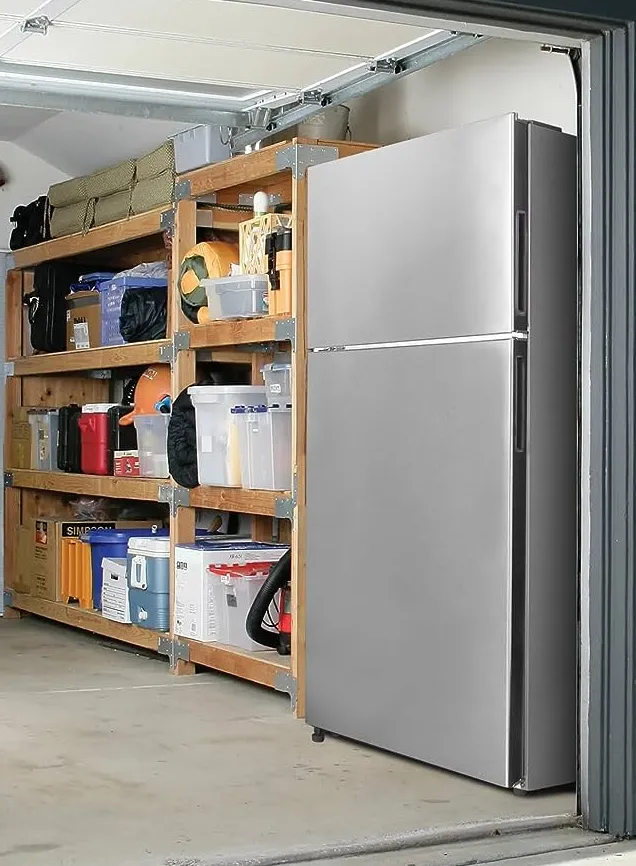 Is your refrigerator tripping a breaker or GFCI receptacle?
When a circuit trips, it indicates that something is abnormal and possibly unsafe. It’s not uncommon for a refrigerator to cause a circuit to trip, especially a sensitive GFCI circuit. This is most often caused by the refrigerator pulling to many amps and overloading the circuit. There a a few steps to troubleshoot whether the cause is the receptacle (outlet), breaker or appliance causing the receptacle or circuit breaker to trip.
The garage refrigerator didn’t trip in my old house/another location…
A GFCI is required in a garage (see below for more info) and is more sensitive than a standard circuit. If the refrigerator trips the GFCI circuit in the garage but not a standard circuit, this could be a sign of malfunctioning components in the refrigerator such as a defective capacitor, compressor, defroster heater or fan in the fridge. You should also check the condition of any wires/power cords for damage. Please see the additional resources at the bottom of this article.
We often hear from homeowners that the refrigerator repair tech said it was a bad outlet/breaker…
Do your due diligence and troubleshoot using a process of elimination.
If the refrigerator trips multiple GFCI breakers, it’s the refrigerator.
What is a GFCI receptacle/breaker and why do I have to have one?
GFCI (Ground-fault circuit interrupters) receptacles protect all outlets on the same circuit, as well as connected tools and appliances. GFCIs protect against electrical shocks from ground faults. The National Electrical Code requires GFCI receptacles in bathrooms, garages, crawl spaces, basements, laundry rooms and areas where a water source is present. Ground faults can be caused by:
- Operating equipment in wet or damp areas. Moisture detected.
- Running faulty or leaking tools and appliances
- Using damaged cords, power strips or wiring
Please see our post about Tripping Breakers for more information on GFCIs and how they work.
Troubleshooting
- Reset receptacle/breaker
- Locate all receptacles not working when the breaker trips. Unplug everything from that circuit.
- It’s common for the garage receptacles and the receptacles on the exterior of the house (porches, near A/C, sprinkler) to be on the same 15amp GFCI breaker.
- Reset the breaker by flipping the handle ALL the way off then on again.
- Reset the GFCI on the circuit by pushing the RESET button on the receptacle. There should be one per circuit. Houses built after 2017 may be on a GFCI breaker and will not have a RESET button on a receptacle. See Tripping Breakers.
- Locate all receptacles not working when the breaker trips. Unplug everything from that circuit.
- Does the circuit trip without anything plugged in?
- YES
- Contact an electrician (preferably us lol)
- NO
- Check out the troubleshooting steps here > 5 COMMON REASONS YOUR BREAKER IS TRIPPING
- Try plugging the appliance into another circuit. Does it trip this circuit as well?
- Note whether it’s a 15 or 20amp circuit (# on handle) and whether it’s GFCI protected.
- YES
Solution
This depends on the issue.
Running a dedicated 20amp Dual-Function circuit to a dedicated outlet can resolve the issue if your refrigerator is pulling to many amps and tripping a 15amp circuit with other items plugged in. This may not resolve the issue if there is something wrong with the refrigerator itself.
 Additional Resources (aka People Who Explain Things Better Than I Can lol)
- Appliance Express: Why Does Your Refrigerator Keep Tripping The Electricity?
- Mike Holt Forum: Theoretical GFCI question, Fridge should never be on one?
- Pip’s Island Home: Does A Refrigerator Need To Be On A Gfci Circuit? (Benefits & Useful Tips)
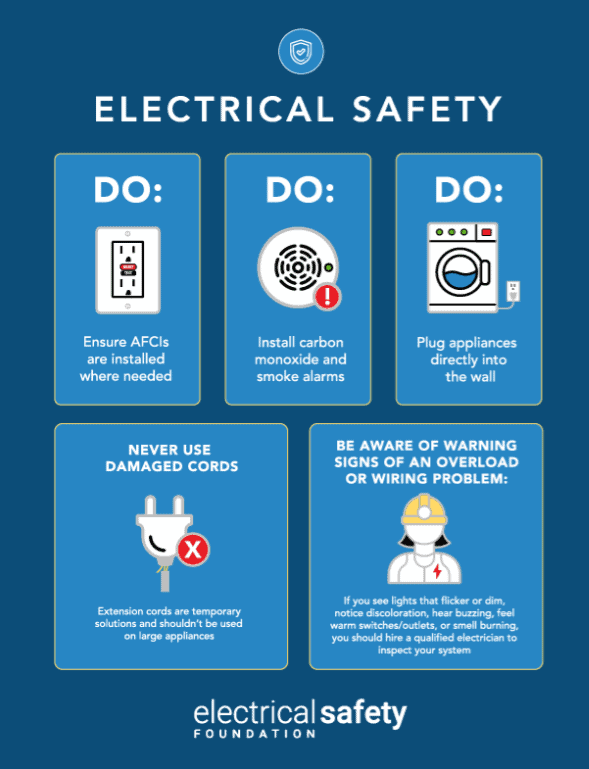
A few points on home electrical safety. See esfi.org for more info.
- Do: Ensure AFCIs are installed where needed
- Do: Install carbon monoxide and smoke alarms
- Do: Plug appliances directly into the wall
- Never use damaged cords
- Extension cords are temporary solutions and shouldn’t be used on large appliances
Be Aware of Warning Signs of An Overload or Wiring Problem
If you see lights that flicker or dim, notice discolorations, hear buzzing, feel warm switches / outlets, or smell burning, you should hire a qualified electrician to inspect your system.
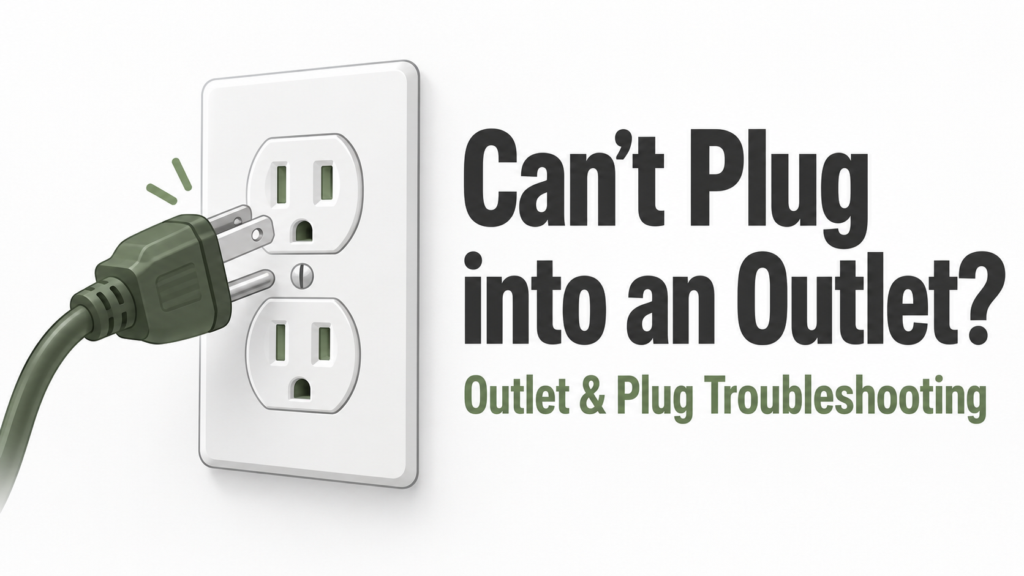
Is it difficult to plug something into your new home’s outlet? It could be because its a Tamper-Resistant Receptacle required by the National Electrical Code. Please watch this quick video for more info.
Here’s a great article from the Electrical Saftey Foundation.

July 2023 Generator Offers
UP TO $500
Offers good until Jul 31, 2023. See below for details.
OFFER 1: From Briggs & Stratton
Take advantage of Briggs & Stratton’s standby generator promotion today!
Purchase a new Briggs & Stratton PowerProtect™ or Fortress™ 12kW, 20kW, 26kW¹ standby generator and receive a $250 gift card.
- Homeowner will be eligible for a rebate reward from July 10 to July 31, 2023.
- Homeowner submits this form with proof of purchase to Briggs by Aug 31st, 2023
- Briggs will send the homeowner a $250 gift card

OFFER 2: From Hual Electric
We’ll match Briggs & Stratton’s offer up front!
Purchase a new In-Stock Briggs & Stratton standby generator and you may be eligible
for $250 off from Hual Electric!
To be eligible for the $250 off, you must:
- Approve the estimate and pay the deposit between the dates of July 20 to July 31, 2023.
- The installation must be completed and paid in full by August 31st, 2023
- Credit must be applied to the invoice prior to payment